Two short lines can change how your whole face reads. The vertical “11s” that sit between the brows often signal stress, fatigue, or irritation even on a calm day. Patients tell me they hear, “Are you upset?” during project meetings or in photos where they felt perfectly fine. When these lines start to etch in, Botox becomes a practical, targeted way to relax the muscles that fold the skin into that crease and to return your baseline expression to neutral.
What’s really creating the “11s”
Frown lines form where three small muscles meet: the corrugators (which draw the brows together), the procerus (which pulls the center of the brow down), and the depressor supercilii (which contributes to the downward motion). Every time you squint, concentrate, or react to bright light, those muscles contract. The skin creases along the same tracks. Younger skin springs back, but with repetitive motion, collagen and elastin fibers weaken. The crease changes from a fleeting fold to a visible line at rest.
Here is where Botox works: it reduces the signal from nerve to muscle, lowering the strength of those contractions. The skin above moves less aggressively, so the crease softens. In early stages the line may vanish. In advanced cases, the line improves but can persist faintly even when the muscle is quiet. That difference in outcome comes down to timing, skin quality, and dose.
How precise dosing prevents a heavy brow
I have seen two types of outcomes over and over. The first is the smooth, rested look where the center of the brow softens while the outer brow remains mobile. The second is a slightly heavy or flat brow, which people sometimes describe as looking “tired.” The gap between those results comes down to dosing balance and placement strategy.
For most adults, the glabellar complex (the “11s” zone) responds to a total of 15 to 25 units with on-label Botox. Faces with strong muscle overactivity sometimes need 30 units, especially in men with thicker muscle bellies. I map the corrugator bellies with palpation first, asking the patient to frown and relax so I can mark the true vector of pull. The goal is to place small aliquots in the muscle belly, not too close to the eyebrow where diffusion might weaken the lift function of the frontalis. Respecting anatomy protects brow position and helps you avoid the frozen look.
If you often raise your brows to compensate for a heavy eyelid or if you have naturally low brows, I take extra care with conservative dosing on the forehead and direct more of the Botox budget into the corrugators and procerus. That keeps your lifting muscle, the frontalis, functional enough to avoid a dropped brow while still softening the “11s.”
Onset, feel, and how long the results last
The first sign that Botox is working usually appears around day 3 to 5. You notice that frowning feels less strong or that the lines don’t crease as deeply when you try. Peak smoothing arrives by day 10 to 14. Most patients enjoy the effect for 3 to 4 months. People with faster metabolisms, regular high-intensity exercise, or very strong baseline muscle activity sometimes see 2.5 to 3 months. With steady maintenance, intervals can stretch slightly as the muscle deconditions.
I ask patients to schedule a follow-up at two weeks for a brief check. If one line remains more stubborn than the other, a tiny top-up of 1 to 3 units can level the result. Small asymmetries are common because we all have dominant sides and slightly different corrugator vectors from left to right.
Avoiding the frozen look while still getting a real change
You might have seen friends whose brows barely move and vowed never to look like that. That “overdone” effect usually happens when the forehead, frown area, and crow’s feet are all treated at high doses without tailoring to the person’s expressive needs. For the “11s,” the art lies in the ratio between the frown complex and the forehead elevator. Tame the inward pull, leave the lifting muscle with some strength, and the face reads relaxed rather than paralyzed.
I often suggest conservative dosing for first-timers. If a patient would rather keep more movement for acting, public speaking, or personal preference, we protect range while targeting the crease with pinpoint placement. If a patient wants a subtle lift, we integrate a small brow lift pattern at the tail to slightly rotate the arch upward by 1 to 2 millimeters. The dose is tiny, and the effect is visible mostly in photos or under overhead lighting where shadowing changes.
Why technique matters more than the brand name
People ask about Botox vs Dysport vs Xeomin because friends repeat brand names like they do for running shoes. All three are neuromodulators that work on the same receptor pathway. In the glabella, I see interchangeable results when dosing is translated correctly. Dysport tends to show a quicker onset by a day or so for some patients and can diffuse a bit more, which can be an asset in large muscle zones. Xeomin has fewer accessory proteins, which some patients prefer if they worry about antibody formation, though clinically neutralizing antibodies are rare in aesthetic dosing.
So what matters most? Technique. Specifically, facial mapping, muscle targeting, and injection accuracy. I use my non-dominant hand to anchor and feel the muscle belly while injecting with my dominant hand. This tactile feedback helps keep product in the right plane and reduces the risk of drift into the lifting muscle. Board certified providers who practice this anatomy-based treatment style tend to deliver consistent, natural looking results and fewer side effects.
When Botox can’t erase a line on its own
A patient in her mid-forties sat in my chair with sturdy “11s” that remained even when she was expressionless. She had never tried injectables. We started with a standard glabellar pattern. At two weeks, her movement was quiet, but the skin still showed fine etching. She was happy but wanted more. This is where combination treatments earn their keep.
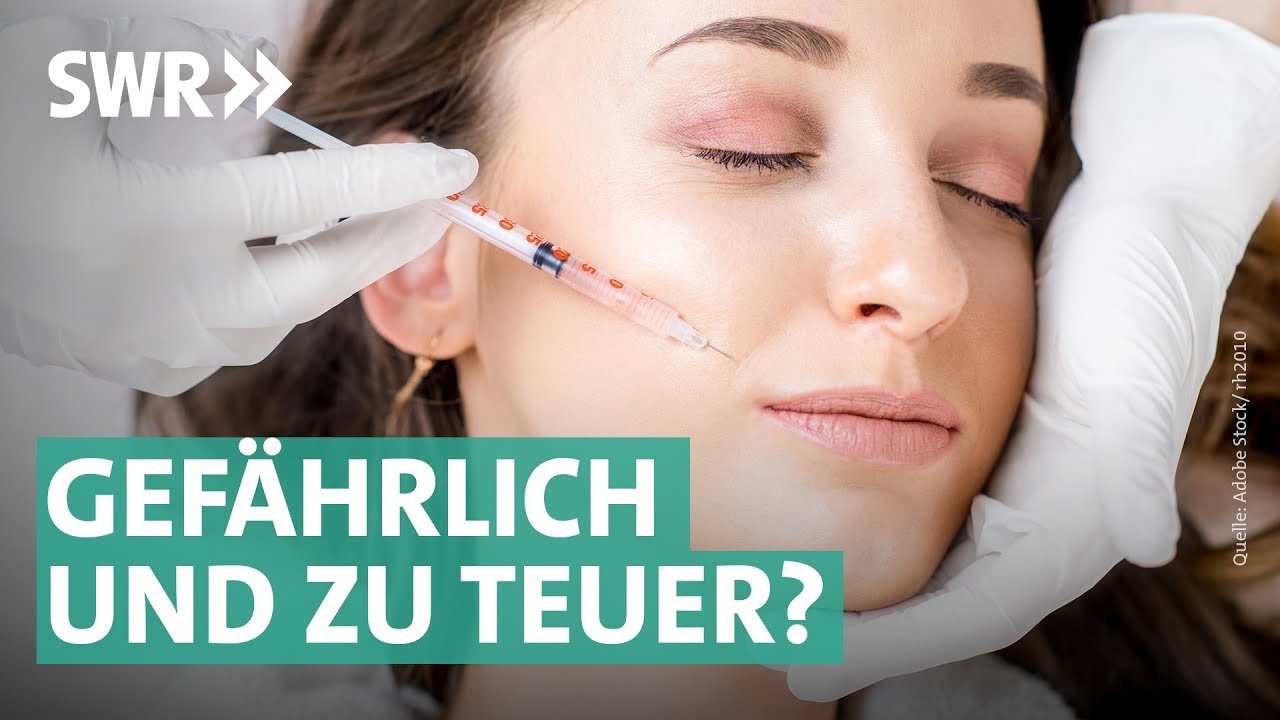
Two paths exist. First, Botox plus microneedling or a fractional laser to stimulate collagen remodeling within the etched crease. Second, a microdroplet of soft hyaluronic acid filler placed superficially to lift the line while Botox prevents further folding. Between the two, I lean toward collagen stimulation for lighter etching and a cautious microfill for deeper, single-track lines. Either way, the base layer is still neuromodulation, because if you skip calming the muscle, the crease returns.
Botox vs fillers for the frown area
Fillers and Botox do different jobs. Botox quiets muscle overactivity; fillers add volume or support. In the “11s,” filler can be used, but only by an experienced injector who respects the vascular anatomy. The glabellar region contains vessels that connect to the ophthalmic circulation. That risk is botox near me why I reach for filler here sparingly and with a microdroplet, superficial technique, or I avoid it entirely if the anatomy or skin thickness is not ideal. As a rule of thumb, Botox does the heavy lifting in this zone, while fillers shine in the midface, tear trough support, or temples where volume dynamics matter more.
Botox vs natural alternatives and topical care
Skincare and lifestyle still play a role. Daily sunscreen protects collagen from UV breakdown, which slows etching. A retinoid nudges cell turnover and collagen production, supporting smoother texture over months. Peptides and growth factor serums can add incremental benefit. But for an expression line caused by muscle pull, creams reach their limit. If your goal is to stop the frown from folding the skin, no anti aging cream can override the corrugator contraction. Facial exercises often worsen dynamic lines in this area by training the muscles to work harder. Natural alternatives like gua sha or facial massage can relax forehead tension temporarily, but they do not change neuromuscular signaling.
Botox vs microneedling and laser treatments
Microneedling and fractionated lasers improve skin quality. They can blur etched-in creases by prompting new collagen in the dermis. They cannot stop the cause of the fold. In practice, I treat the “11s” with Botox first, then layer a series of microneedling sessions or a light fractional laser pass if etched lines persist. Spacing matters. If we plan both in one month, I place Botox first, wait a week, then perform the collagen induction so we avoid excess swelling at the injection points and can see what remains once the muscle is calm.
Cost and value, without mystery
Botox pricing varies across regions and practices. Some charge by the unit, others by area. For the glabellar area, most patients need 15 to 25 units. If your region’s per-unit price is 10 to 18 dollars, the frown area might run 150 to 450 dollars. If your corrugators are especially strong or if you choose a premium boutique practice where the per-unit rate is higher, the range can stretch to 500 dollars or more. These numbers reflect trained staff, sterile technique, medical-grade product, and follow-up care.
Patients often ask, is Botox worth it? Here is a grounded way to think about the investment. If the “11s” make you look stern or tired in ways that affect your confidence at work or in photos, and you want a reversible, non-surgical fix that lasts a season at a time, Botox is usually the most efficient tool. Consider the long term cost as three to four sessions per year. Some patients feel comfortable extending to two or three Additional info sessions annually after the first year as muscle overactivity decreases. Compare that to high-end skincare regimens that are less targeted for expression lines but cost similar amounts per quarter. Only you can judge value, but a clear plan and realistic expectations help the math feel straightforward.
Treatment planning, visit flow, and what to expect
A typical first visit involves a quick history to confirm you are a good candidate. I screen for pregnancy, breastfeeding, neuromuscular disorders, and recent infections. Blood thinners can raise bruise risk, as can supplements like fish oil and ginkgo. If possible and approved by your prescribing clinician, pausing non-essential blood-thinning supplements for a few days before treatment lowers bruise odds.
During mapping, I ask you to frown, relax, and raise your brows, marking the corrugator heads and tails and the procerus. After cleaning with alcohol or chlorhexidine and using sterile technique, I place small injections with a fine 30 or 32 gauge needle. The stings are brief. The entire sequence takes under five minutes once mapped. I apply gentle pressure on each point for a few seconds to limit pinpoint bleeding.
Post-treatment, small bumps can sit on the skin for 10 to 20 minutes and then flatten. Makeup can be applied lightly after a few hours if the skin looks intact. If you are heading back to work or a meeting, most people look presentable within minutes, aside from a touch of redness that fades quickly.
Aftercare that actually matters
You will hear many rules. A short, useful checklist covers what counts.
- Keep your head upright for four hours after treatment and avoid pressing or massaging the area. Skip rigorous exercise, saunas, or hot yoga for the rest of the day. Avoid facials, facial massage, or tight hats that compress the brow for 24 hours. If a bruise appears, use a cold compress for short intervals on the first day, then warm compresses later to speed resolution. Wait two weeks before judging the final result or requesting adjustments.
These steps minimize diffusion into unintended muscles and reduce swelling or bruising. If a small headache shows up on day one, that is common and typically mild. Over-the-counter pain relief, unless contraindicated, usually helps.
Subtle lift and contour balance
When the inward pull eases, the brow arch often looks cleaner and the upper eyelid appears a touch more open. That subtle lift is different from a surgical brow lift. Think of it as a reset of the tug-of-war between muscles. For many patients, softening the “11s” alone creates a refreshed look. Others choose to add a micro-brow lift pattern at the tail of the brow for symmetry or to correct a slight droop on one side. The doses are very small, often 2 to 4 units total, because the frontalis is thin near the hairline. Overdoing it risks a shelf-like edge. The best outcomes barely announce themselves, they just make light fall more kindly across the upper face.
When Botox helps beyond aesthetics
Chronic squinting and frowning can create headaches or a sense of facial strain by afternoon. I see this in people who stare at spreadsheets or juggle multiple screens all day. Treating the glabellar complex not only softens the look, it can ease muscle tension that builds between the brows. Patients sometimes report fewer “end of day” headaches and less urge to squint. This is not a primary medical treatment for migraine, which follows different dosing patterns, but it is a welcome secondary benefit for many.
Safety, standards, and why provider choice matters
This is a medical procedure, even if it takes minutes. Sterile technique and quality control prevent infection and ensure you get authentic product. Your provider should open or show a vial, discuss the plan in plain terms, and obtain consent. Board certified dermatologists, plastic surgeons, facial plastic surgeons, oculoplastic surgeons, and experienced nurse injectors working under physician supervision bring training that shows in their mapping and complication management.
Side effects in the glabella are usually minor: pinpoint bruises, small headaches, or transient tenderness. The event you want to avoid is brow or lid heaviness from spread into the frontalis or the levator palpebrae area. Precision placement and respecting safe distances around the orbital rim keep that risk low. If mild heaviness occurs, it fades as the product wears off. In rare cases of eyelid ptosis, prescription eye drops that stimulate Müller’s muscle can lift the lid a millimeter or two while waiting for resolution.
Comparing neuromodulators in context
Patients sometimes ask for a brand by name because a friend “swears Dysport lasts longer” or “Xeomin feels lighter.” Here’s how I frame it. All three relax the same receptor, and clinical longevity largely overlaps. Differences you may perceive include onset speed, spread characteristics, and injection comfort. I select based on muscle size, the need for precision versus blending, prior response history, and availability. For a straightforward glabellar treatment, you can expect similar aesthetic outcomes from Botox, Dysport, or Xeomin when used by a skilled injector who adjusts units appropriately.
Integrated care for a polished but natural finish
If your goal is a refreshed look rather than a face that announces procedures, anchor your plan with a few principles. Start at the source of the line with Botox for frown lines. Support skin health daily with sunscreen and a simple, consistent skincare routine. If etched lines linger, add collagen-stimulating treatments on a schedule that fits your calendar and tolerance for downtime. Reassess every two to three visits. Photographs in consistent lighting help track subtle changes that your mirror might miss.
Where needed, selective enhancements around the eyes can harmonize the upper face. For example, crow’s feet often deepen when you smile in bright sun, and softening them with conservative dosing can reduce creasing without blunting your smile. If forehead lines bother you while the “11s” are being treated, be cautious with forehead dosing to preserve lift. The right balance keeps your expressions intact while smoothing the distracting creases.
Planning the budget and maintenance without surprises
Think in seasons, not weeks. If you schedule Botox every three to four months, the cost becomes predictable. Some patients extend to four months in cooler months when squinting is less frequent and tighten the schedule during bright summer when lines form more readily. Bundling multiple areas in one visit can be more cost-efficient than treating piecemeal. Ask your provider to explain their unit-based pricing factors, how follow-up tweaks are handled, and what the maintenance cost looks like if you add a brow lift or crow’s feet. Clarity makes it easier to judge affordability and value.
As for long term cost, there is a quiet dividend that shows up for many: consistent neuromodulation can slow deep etching and reduce the need for more aggressive treatments later. It is not a guarantee, but after years of seeing repeat patients, I can say that regularly relaxing the corrugators tends to keep the “11s” softer at baseline compared with peers who never treat them.
The first appointment: who is a good candidate and who should wait
Good candidates are adults bothered by visible “11s,” with realistic expectations and a desire for a reversible, non-surgical solution. If you have active skin infection in the area, you should wait. If you are pregnant or breastfeeding, postpone treatment. If you have a neuromuscular condition such as myasthenia gravis, discuss risks with your neurologist and injector, and in most cases avoid cosmetic neuromodulation. If you have a history of keloids or abnormal scarring, that is more relevant to surgical procedures than to Botox, but it is still worth mentioning. Share previous experiences with neuromodulators, including any side effects or perceived short duration, so dosing can be adjusted.
When not to rely on Botox alone
If your brow sits very low at rest, or you have significant skin redundancy on the upper lid, Botox cannot lift enough to create a meaningful change. In that setting, a surgical brow lift or upper blepharoplasty addresses structural issues that neuromodulation cannot. I sometimes use small amounts of Botox to refine expression lines even for surgical patients, but honesty about what each tool can and cannot do prevents disappointment.
Keeping results natural as your face and life change
Faces are dynamic. Weight changes, dental work that alters bite, new stressors, or more screen time can shift expression patterns. Review your plan at each visit. A patient who clenches the jaw during tax season might benefit from a modest masseter treatment for facial tension or jaw tension, while keeping the glabella dose stable. Another patient might need a touch less in the forehead if they noticed a hint of heaviness after a particularly intense workout phase. The best treatment planning guide is a dialogue that adapts to your current life and the specific expressions you want to edit.
Final notes on confidence and expression control
The goal is not to erase your face. It is to recalibrate the signals your resting expression sends. When the “11s” soften, colleagues stop reading annoyance where there is none, and you stop seeing that shadowed crease in every candid photo. With conservative dosing, careful placement, and respect for how you naturally move, Botox gives a refined yet unforced finish. It should look like you on a good day, every day, for a few months at a time.
If the “11s” are the feature that nags at you, start there. Choose a qualified provider who prioritizes anatomy-based treatment, sterile technique, and follow-up care. Expect a quick visit, a few days’ wait for onset, and four to twelve weeks of smoother skin before a gentle fade. Add complementary skincare or collagen stimulation if etched lines remain. Keep your goals simple and specific. That approach delivers aesthetic outcomes that feel understated, polished, and sustainable.